allisles.com
US Virgin Islands
allisles.com
US Virgin Islands

US Virgin Islands: Complete Caribbean Travel Guide
Visa Free
Last updated:
Quick Facts
- Visa Required: No (visa free for most nationalities)
- Currency: US Dollar (USD)
- Language: English
- Best Months: December, January, February, March, April, May
- Average Temperature: 28°C (82°F)
- Location: Lesser Antilles, United States
- Nearest Airport: Cyril E. King Airport (STT)
About US Virgin Islands
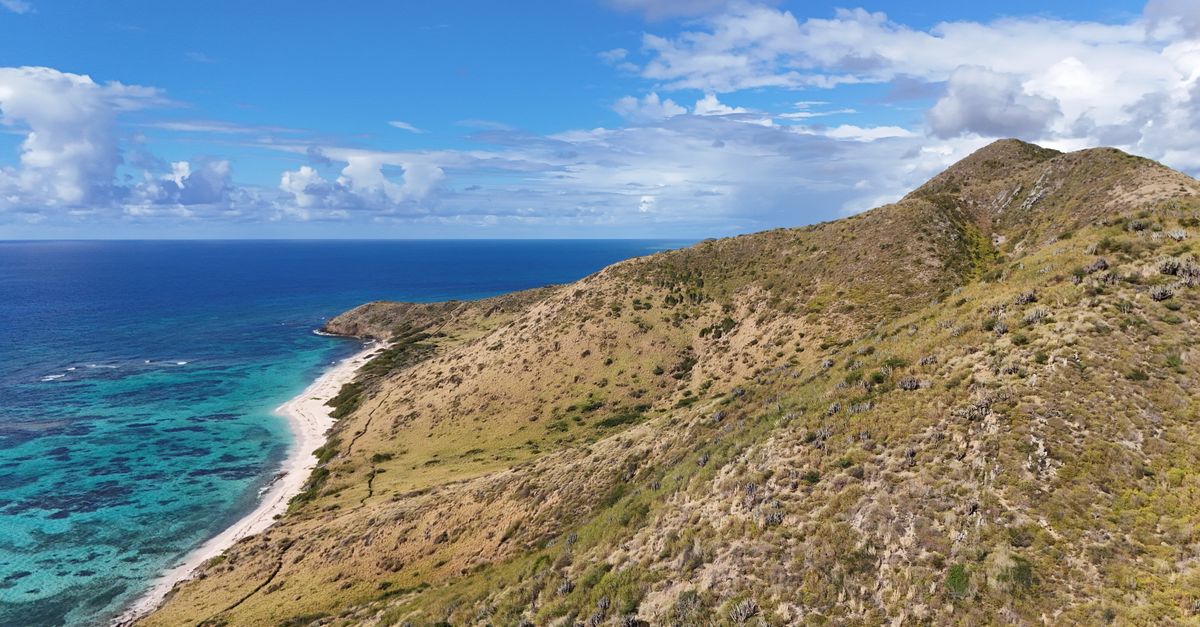
The US Virgin Islands sit in the Lesser Antilles of the Caribbean. You'll find them east of Puerto Rico and north of the Grenadines. The territory consists of three main islands: St. Thomas, St. John, and St. Croix. A map of Caribbean US Virgin Islands shows their location at coordinates 18.3358, -64.8963.
The islands cover 346 square kilometers and are home to about 106,000 residents. English is the official language, which makes travel easier for American visitors. The US dollar is the currency, so you don't need to exchange money. The territory is part of the United States, though it has its own unique culture and charm.
St. Thomas is the most developed island and has the largest population. Charlotte Amalie, the capital, sits on St. Thomas's southern coast. St. John offers natural beauty and protected land. St. Croix is the largest island and feels less crowded than St. Thomas. Each island has distinct character and attractions that appeal to different travelers.
PRO TIP: Download an offline map before you arrive. Cell service can be spotty in some areas, especially on less developed parts of the islands.
Why Visit US Virgin Islands

Best forfamiliescouplessolo travelersluxury travelersbudget travelers
The US Virgin Islands offer warm weather year-round with an average temperature of 28°C. You'll enjoy perfect beach days almost every day. The islands have excellent scuba diving and snorkeling opportunities. You can explore shipwrecks and coral reefs without traveling far from shore.
The territory's US status means no customs lines or passport complications for Americans. Your phone works without international roaming charges. Credit cards function normally, and ATMs are widely available. This ease of access makes the islands perfect for first-time Caribbean travelers.
You can experience Caribbean culture without leaving the United States. Local cuisine blends African, European, and Caribbean flavors. Music and festivals celebrate the islands' rich history. Art galleries, shops, and food-restaurants showcase local talent and traditions.
Natural Beauty and Outdoor Activities
The islands feature stunning beaches with soft sand and warm water. Maho Bay on St. John attracts snorkelers from around the world. You can see tropical fish in shallow water near the shore. Sapphire Beach on St. Thomas offers calm, clear water perfect for swimming.
Coral World Ocean Park on St. Thomas displays sea turtles and colorful fish. You can walk underwater on the Ocean Tram or snorkel in the marine park. Hiking trails crisscross the islands for nature lovers. Virgin Islands National Park protects beaches, trails, and wildlife on St. John.
PRO TIP: Visit coral reefs in the morning when sunlight illuminates the underwater landscape best. Bring reef-safe sunscreen to protect marine life.
US Virgin Islands for Families
Best forfamilies with children of all ages
Families find the US Virgin Islands ideal for vacation planning. Your children face no language barrier since English is spoken everywhere. Familiar currency and payment methods reduce stress about money management.
Maho Bay offers the safest snorkeling for young children. The beach slopes gradually, and fish swim in shallow areas. Lifeguards patrol the area during peak hours. Parents can relax on sand while kids splash in calm water.
Coral World Ocean Park keeps families entertained for a full day. Children love the sea turtle pools and interactive exhibits. The underwater observatory lets kids see ocean life without getting wet. Ride the Sky Ride chairlift for island views.
Family Friendly Beaches and Activities
Trunk Bay on St. John features an underwater snorkel trail with plaques explaining marine life. Kids learn while exploring the reef. The beach has calm water and nearby picnic facilities. Park rangers offer educational programs during summer months.
Coral Sands Beach on Water Island works well for younger children. The water is shallow and calm. Few crowds visit this beach compared to more famous spots. Ferry service from St. Thomas takes 15 minutes.
Mountain top on St. Thomas offers panoramic views accessible to families. A short chairlift ride takes you to 200 meters elevation. Visitors enjoy views of three islands on clear days. The visitor center provides historical information in simple language.
Budget Tips for Families
Pack a cooler with snacks and drinks from local supermarkets. Beach resort prices for food are very high. Ferry between islands is cheaper than flying. Pack a picnic lunch for beach days to save money.
Visit free beaches rather than paid resort beaches. Sapphire Beach, Maho Bay, and Water Island charge no entrance fees. Trunk Bay has a small entrance fee to Virgin Islands National Park. The fee supports park maintenance and conservation efforts.
US Virgin Islands for Couples
Best forromantic getawayshoneymoonsanniversary trips
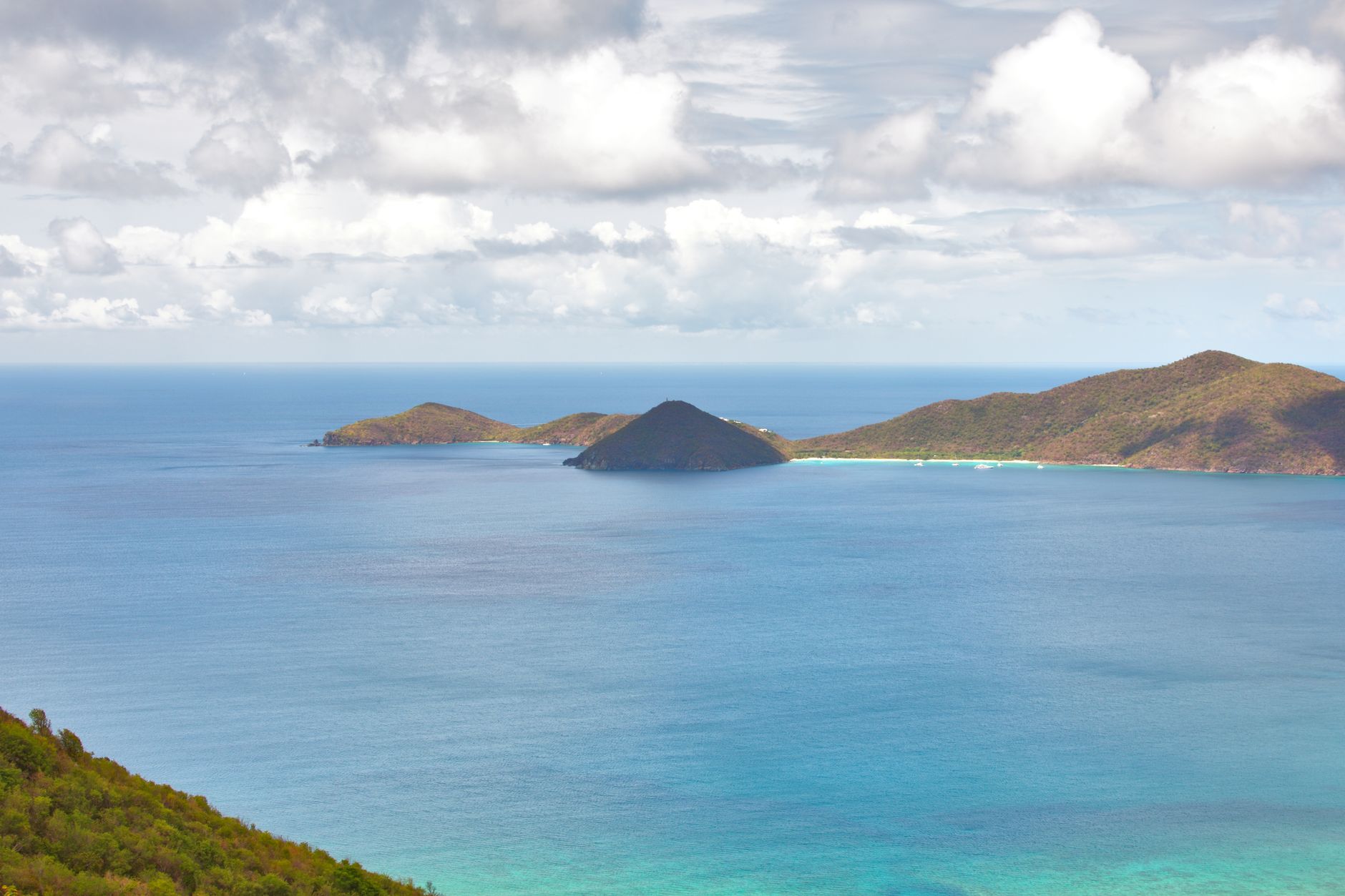
Couples appreciate the intimate setting of smaller islands. The US Virgin Islands offer world-class dining with Caribbean cuisine. Sunset views from beaches and restaurants create memorable moments. Private beach access is available through some resorts.
Honeymoon resorts cater specifically to couples seeking romance. Many offer sunset catamaran cruises and champagne dinners. Couples massage services operate throughout the islands. Private island tours can be arranged through local operators.
Romantic Activities and Dining
Sunset sailing on a catamaran creates unforgettable evenings. Tours depart from St. Thomas and St. Croix regularly. You'll sail past small islands and watch the sun drop into the ocean. Many include drinks and snacks aboard.
Dining in Charlotte Amalie offers fine restaurants with ocean views. Local restaurants serve fresh seafood caught daily. Try conch salad, a local specialty, at casual beachfront spots. Fine dining establishments offer multi-course Caribbean cuisine.
Island hopping allows couples to explore different scenery. Ferry service between islands takes 30 minutes to one hour. Day trips to less developed islands offer quiet, peaceful time. Snorkeling trips for two are available through tour operators.
PRO TIP: Book sunset catamaran tours in advance during peak season (December through April). Tours fill quickly and advance booking guarantees your spot.
US Virgin Islands for Solo Travelers
Best forindependent travelersadventure seekersnature lovers
Solo travelers feel safe exploring the US Virgin Islands. English speakers make navigation easy for American travelers. The islands are compact, so you can explore independently. Reliable transportation connects all major tourist areas.
Solo hiking on marked trails is safe and rewarding. Rain Forest Trail on St. John offers moderate difficulty and stunning views. Annaberg Sugar Plantation Trail reveals island history and ocean vistas. Trails are well-maintained and frequently used.
Meeting other travelers happens naturally at hostels and casual restaurants. Rum shops and beach bars attract a mix of visitors and locals. Group tours for snorkeling and sailing include solo travelers regularly. Cooking classes and cultural workshops build connections.
Solo Travel Logistics
Renting a car gives freedom to explore at your own pace. Roads are well-marked and driving is straightforward. Rental agencies operate at Cyril E. King Airport. Daily rates are affordable compared to guided tours.
Public transportation works well for getting between major areas. Local buses connect towns and beaches. Taxis are readily available but more expensive. Ferry service between islands operates on regular schedules.
Budget accommodations include guesthouses and small hotels. Prices range widely depending on season. December through April costs more due to dry season demand. May through November offers lower rates.
Best Time To Visit US Virgin Islands

Best forall travelers planning ahead
The best months to visit are December, January, February, March, April, and May. These months have dry weather and comfortable temperatures. Rain is rare, and humidity stays low. Temperatures average 28°C consistently year-round.
December through April is peak season when many mainland Americans escape cold winters. Prices increase during this period. Hotels fill quickly, requiring advance reservations. Weather is perfect for beach activities and water sports.
Off-Season Travel Benefits
May through November brings lower prices and fewer crowds. Rain showers occur more frequently but rarely last all day. Afternoon thunderstorms are common but brief. The sea stays warm for swimming and diving.
June through November is hurricane season in the Caribbean. The US Virgin Islands rarely experience direct hits. The islands sit south of the main hurricane belt. Storm preparation is standard, and weather forecasting is excellent.
Budget travelers benefit from visiting in shoulder months like May or November. Prices drop noticeably from peak season rates. Weather remains quite pleasant and reliable. You'll still find many attractions and restaurants open.
PRO TIP: Visit in April or May for ideal conditions without peak season crowds. Weather remains excellent while prices begin to decrease from winter highs.
Getting To US Virgin Islands
Best forall travelers planning flights
Cyril E. King Airport on St. Thomas is the main entry point. The airport code is STT. Direct flights arrive from major US cities. Connections through San Juan are common for some routes.
Most travelers fly from the continental United States to STT. Flight times from the East Coast range from 3.5 to 5 hours. West Coast flights require at least one stop. Airlines offer multiple daily flights during peak season.
Visa and Entry Requirements
Most nationalities enter visa-free since the territory is part of the United States. US entry requirements still apply for international visitors. This means ESTA or visa requirements depend on your citizenship. Check current requirements before booking flights.
US citizens need only a valid driver's license or passport. State-issued ID cards work for American citizens. Real IDs are accepted. You don't need a passport card.
International visitors must meet normal US entry standards. Most developed countries qualify for visa-free entry. Apply for ESTA online before travel if eligible. Processing takes a few minutes to a few days.
Getting Around the Islands
Renting a car is the most flexible option for exploring. Daily rates are reasonable for budget travel. International licenses are accepted. Drive on the left side of the road, a holdover from Danish colonial rule.
Taxis operate without meters on the islands. Agree on price before entering the vehicle. They're convenient but expensive for regular travel. Group taxis share routes and cost less than private vehicles.
Ferry service connects the three main islands reliably. St. Thomas to St. John takes 15 minutes by ferry. St. Thomas to St. Croix takes 45 minutes by ferry. Schedules run multiple times daily with additional trips during peak season.
Airport To Hotel Transportation
Rental car booths are located in the airport terminal. Pick up happens immediately upon arrival. Arrange car rental ahead of time to guarantee availability. Drop-off at the airport is convenient and simple.
Taxis wait outside baggage claim. Expect to pay more for airport transport than town taxis. Negotiate the price before getting in the vehicle. Shared shuttle vans offer cheaper alternatives if you can wait for other passengers.
Some hotels provide airport pickup services. Ask about this when booking your accommodation. This option removes stress from arrival day. Cost is usually included in room rate or charged as a small fee.
PRO TIP: Book a rental car through an international company before arrival. Advance reservations guarantee vehicle availability and often offer better rates than walk-up bookings.
Frequently Asked Questions

Do I Need a Passport To Visit the US Virgin Islands From the Mainland?
US citizens do not need a passport to visit the US Virgin Islands. A valid driver's license or state ID card is sufficient. However, a passport is recommended for international travel in case you need to return through an international gateway. International visitors should check current US entry requirements based on their citizenship. Most developed nations qualify for visa-free entry under ESTA or similar programs. Always verify requirements with your country's travel authority before booking flights.
What's the Best Way To Get Around Without Renting a Car?
Ferry service between islands is reliable and affordable for island hopping. Local buses connect major towns and tourist areas on each island. Taxis are available but cost more than other transportation methods. Group taxis share routes with other passengers and cost less than private vehicles. Tour companies offer guided excursions with transportation included. Many travelers use a combination of ferries, taxis, and organized tours to explore all three islands effectively.
Is the US Virgin Islands Safe for Tourists?
The US Virgin Islands are generally safe for tourists in areas frequented by visitors. Stay in established tourist areas and avoid empty streets at night. Charlotte Amalie and resort areas have regular police presence. Petty theft can occur, so don't leave valuables unattended on beaches. Use hotel safes for passports, extra cash, and electronics. Travel in groups when exploring unfamiliar areas. Common travel safety practices apply as they do in any popular tourist destination.
What Water Activities Are Available for Non-Swimmers?
Snorkeling in shallow water is accessible to non-swimmers with proper flotation devices. Many operators provide life jackets and snorkel instruction. Glass-bottom boat tours allow ocean viewing without getting wet. Submarine tours operate from St. Thomas and show marine life underwater. Parasailing keeps non-swimmers above water while enjoying ocean views. Coral World Ocean Park features underwater observatories where visitors see sea life without entering water. Many water activities accommodate various comfort levels and experience levels.
What Should I Pack for a Trip To the US Virgin Islands?
Pack light clothing suitable for hot, humid weather year-round. Bring reef-safe sunscreen with SPF 30 or higher. Include swimwear, light jacket for air conditioning, and comfortable walking shoes. Bring a hat and sunglasses for sun protection. Insect repellent helps with mosquitoes near beaches and in tropical areas. Medications in original containers comply with customs requirements. Pack a light rain jacket for brief afternoon showers during off-season months. Bring phone chargers and universal adapters though US outlets work for American devices.
Related Pages on US Virgin Islands
Islands Near US Virgin Islands