
Last updated:
US Virgin Islands Weather by Month
The US Virgin Islands sits in the Caribbean with consistent warm weather year-round. Understanding monthly patterns helps you pack right and plan activities. The islands experience two main seasons: dry and wet.
December through April brings the dry season. These months feature the most stable US Virgin Islands weather conditions. Temperatures hover around 28°C (82°F) with low humidity. Trade winds keep the air fresh and comfortable. Rainfall is minimal during these months.
May through November marks the wet season. Afternoon showers become more frequent, especially July through October. Temperatures climb slightly, reaching 29°C to 30°C (84°F to 86°F). This period includes hurricane season from August through October.
January is often the coolest month, with temperatures around 26°C (79°F). Winds are stronger, which surfers enjoy. February and March stay dry with occasional passing showers. April remains excellent with stable conditions throughout the month.
May and June see increasing humidity and more frequent rain showers. Afternoon thunderstorms develop quickly but pass just as fast. The ocean warms considerably, reaching comfortable swimming temperatures. September and October bring the heaviest rainfall and highest hurricane risk.
Peak Season in US Virgin Islands

December through April represents peak season in the US Virgin Islands. Travelers flock to these islands during winter months to escape cold weather. Hotels, food-restaurants, and attractions operate at full capacity. You'll find the largest crowds on the beaches and at popular sites.
December kicks off the holiday travel rush. Christmas and New Year bring families and couples seeking warm escapes. Prices rise significantly during this period. Book accommodations months in advance for the best options.
January and February stay busy as winter weather drives visitors south. These months consistently offer the clearest skies and calmest seas. Scuba diving conditions are excellent with visibility often exceeding 30 meters. The waters remain warm enough for comfortable swimming without wetsuits.
March and April maintain warm, dry weather with slightly fewer crowds than January and February. Spring break travelers visit during these weeks. Easter holidays bring additional visitors. Overall, April offers better value than earlier peak months while keeping excellent weather.
During peak season, book restaurant reservations in advance. Popular beaches like Trunk Bay and Coral World Ocean Park reach capacity by mid-morning. Ferry services between islands operate frequent schedules. Car rental agencies sometimes run short on available vehicles.
PRO TIP: Visit in April or May for peak season weather without the December and January crowds. You'll enjoy sunny days, calm seas, and shorter lines at attractions while paying lower rates than winter months.
Shoulder Season: Best Value
May and November represent shoulder seasons in the US Virgin Islands. These transition months offer excellent value with decent weather. Hotels reduce rates significantly compared to peak season. You'll encounter far fewer tourists on beaches and at attractions.
May weather remains mostly pleasant with occasional afternoon showers. Temperatures reach 28°C to 29°C (82°F to 84°F). Rain typically falls for 30 minutes in the afternoon then clears. The rest of the day stays dry and sunny. Humidity increases noticeably compared to winter months.
May offers some advantages over peak season. The ocean reaches ideal swimming temperature. Fewer tourists mean shorter ferry lines and less crowded snorkeling sites. Restaurant reservations become unnecessary except on weekends. You can often find good deals on water sports activities.
November weather improves as the wet season ends. October's heavy rains taper off significantly. Temperatures begin dropping from summer highs toward winter lows. By late November, conditions rival peak season weather.
November carries higher hurricane risk than May, though actual storms rarely impact the islands. The Atlantic basin remains active through the month. Weather forecasts require closer attention than other months. Travel insurance becomes more important during November travel.
Both shoulder months suit independent travelers comfortable with occasional rain. Families appreciate smaller crowds at beaches and attractions. Divers find acceptable conditions for underwater exploration. Consider May over November for better weather reliability.
Rainy Season in US Virgin Islands

Rainy season runs from May through November in the US Virgin Islands. This period brings increased rainfall, higher temperatures, and more humidity. Most travelers avoid these months due to weather unpredictability. However, rainy season offers exceptional value for flexible visitors.
June and July start the transition into wetter months. Rain becomes more frequent but typically arrives in short afternoon bursts. Morning hours usually stay dry and sunny. Humidity climbs noticeably from May levels. Temperatures reach 29°C to 30°C (84°F to 86°F).
August through October represents the heart of hurricane season. This period sees the most rainfall and highest storm risk. Afternoon thunderstorms occur almost daily. The islands rarely experience direct hurricane hits, but weather becomes unstable. Some travelers specifically avoid these months entirely.
August brings peak heat and humidity. Rainfall increases significantly from July. The ocean becomes choppy with stronger currents. Visibility for diving decreases due to sediment from runoff. Many hotels reduce operating hours or close temporarily.
September and October see the heaviest rainfall. Rivers and streams flow from hillsides into the ocean. Beach conditions become less ideal for swimming. Some outdoor attractions reduce hours or close on rainy days. However, prices drop to their lowest levels of the year.
November marks the transition back toward drier weather. Hurricane season officially ends. Rainfall decreases from October peaks. Temperatures stay warm. This month offers better weather than summer months with continued low prices.
PRO TIP: Plan indoor activities for rainy season afternoons. Visit museums, local restaurants, and indoor shopping. Rain usually clears by evening, allowing sunset watching and evening beach walks. Pack quick-dry clothing and a compact umbrella.
Best Time To Visit US Virgin Islands for Families
Families should prioritize December through April for US Virgin Islands visits. These months offer the most reliable weather for outdoor activities. Children enjoy swimming in calm seas and exploring beaches without sudden downpours interrupting plans.
December through February works well for families with flexible school schedules. Christmas and New Year trips bring family reunions and holiday celebrations. The islands have holiday events and special activities for children. Temperatures stay comfortable for active kids.
February offers excellent family conditions with dry weather and manageable crowds compared to December. Spring break travelers include many families. Kids' clubs at larger resorts provide activities and supervision. Water parks like Coral World Ocean Park operate full schedules.
March and April provide perfect family timing. Spring break brings school holidays without extreme crowds. Easter vacations align with excellent weather. Schools let out, allowing families to travel without restrictions. Prices remain lower than peak winter months.
During these months, families can safely plan multiple beach days. Calm seas mean children can play safely in shallow water. Snorkeling trips work well for kids old enough to participate. Ferry rides between islands suit families with manageable boat motions.
Families should avoid September through October due to hurricane risk and heavy rain. Young children struggle with constant afternoon downpours. Unpredictable weather makes planning daily activities difficult. Many attractions reduce hours or close temporarily.
Practical family tips: Pack sun protection for kids, including reef-safe sunscreen. Bring lightweight rain jackets for afternoon showers in shoulder season. Plan indoor activities for rainy days. Rent a car for exploring multiple beaches and attractions.
Best Time To Visit US Virgin Islands for Diving
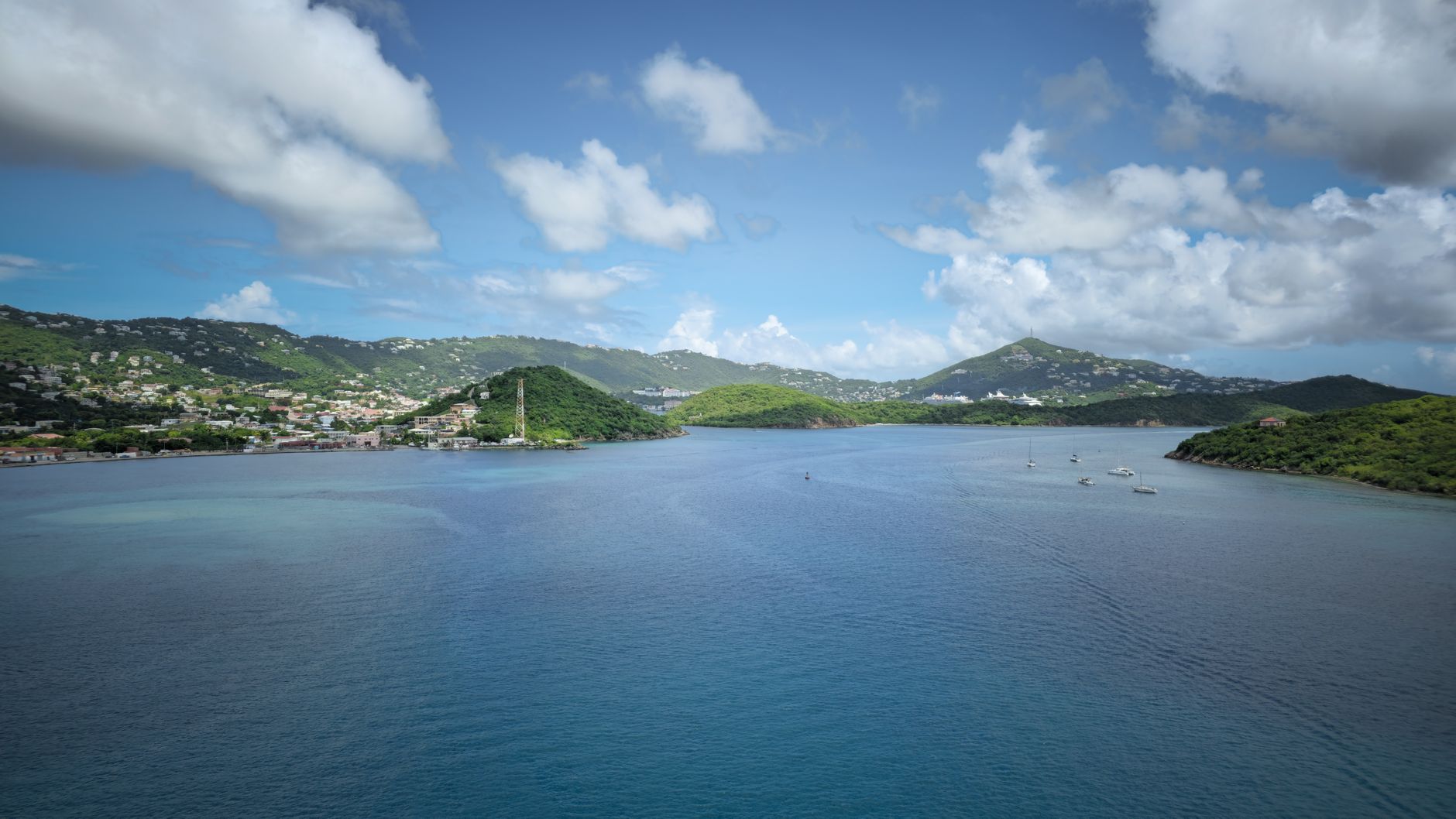
Divers should visit from December through April for optimal underwater conditions. These months deliver the best visibility and most stable weather for boat diving. Trade winds create slight surface chop but clear water below. Temperatures remain warm enough for comfortable diving without heavy wetsuits.
January and February offer the clearest water of the entire year. Visibility frequently exceeds 30 meters (100 feet). Cooler water temperatures still allow comfortable diving in shorty wetsuits. Strong trade winds keep the water clean by pushing sediment away from dive sites.
The US Virgin Islands hosts world-class dive sites year-round. The RMS Rhone wreck near Salt Island attracts advanced divers seeking penetration dives. Coral formations around St. John provide excellent reef diving. Sea turtles appear regularly at popular dive sites.
March and April maintain excellent visibility with slightly warmer water. Fewer divers visit these months compared to January and February. You can secure dive boat spots more easily. Prices decrease from peak season rates. Coral spawning events sometimes occur in April, creating unique diving experiences.
May through July sees decreasing water clarity as rainfall increases runoff. However, diving remains acceptable for experienced divers. Thermoclines develop, creating temperature layers. Larger pelagic fish appear at deeper sites. Prices drop significantly as fewer tourists visit.
August through October brings poor visibility from sediment-laden runoff. Rough seas limit boat diving opportunities. Afternoon storms make weather unpredictable. Hurricane risk increases dramatically. Most divers skip these months entirely.
Diving logistics: Multiple dive shops operate throughout the islands. Cyril E. King Airport (STT) provides convenient access. No decompression diving typically requires 30 to 40 minutes bottom time. Certification courses run year-round. Book dives in advance during peak season.
PRO TIP: Schedule early morning dives during peak season to beat crowds. Visibility often improves by mid-morning as sediment settles. Night dives offer unique bioluminescent displays. Plan dives around local holidays when dive shops get busier.
Frequently Asked Questions
When Is Hurricane Season in the US Virgin Islands?
Atlantic hurricane season officially runs from June through November. The peak threat occurs August through October when conditions most favor storm development. However, the US Virgin Islands rarely experiences direct hurricane hits due to their southern location. Historical data shows most storms pass north of the islands. Travel insurance becomes important for June through November trips. Monitor weather forecasts closely during these months. September and October carry the highest risk levels.
What Should I Pack for the Best Weather Months?
Pack lightweight, breathable clothing for December through April travel. Bring reef-safe sunscreen with at least SPF 30 protection. Include a lightweight rain jacket even during peak season. Quick-dry clothing works better than cotton in humid conditions. Bring comfortable walking shoes for exploring towns. Snorkeling gear or rentals suit beach days. A wide-brimmed hat provides sun protection. Pack sunglasses with UV protection. Casual evening wear works at most restaurants without strict dress codes.
Is It Cheaper To Visit During Rainy Season?
Yes, rainy season from May through November offers significantly lower prices. Hotels often reduce rates by 30 to 50 percent compared to peak months. Restaurants offer seasonal specials and discounts. Water sports activities cost less during these months. Airfare typically decreases as fewer travelers book trips. Car rentals become more affordable. However, reduced prices reflect weather unpredictability and frequent afternoon rain. You'll encounter fewer tourists, which appeals to some travelers. Budget airlines sometimes offer promotions during rainy season periods.
Can I Dive Year-Round in the US Virgin Islands?
Divers can technically dive year-round, but conditions vary significantly by season. December through April provides the best visibility and calmest seas. May through July offers acceptable diving with decreased clarity. August through October brings poor visibility from runoff and rough seas from storms. Most divers prefer winter months for optimal underwater experiences. Water temperatures remain warm year-round, ranging from 26°C to 30°C. Certification courses operate throughout the year. Book advanced dives during peak season for the most reliable conditions.
What Is the Average Temperature Throughout the Year?
Average temperatures remain remarkably consistent at around 28°C (82°F) year-round. Winter months from December through February average 26°C to 27°C (79°F to 81°F). Summer months from July through September reach 29°C to 30°C (84°F to 86°F). Overnight temperatures drop only slightly, staying around 24°C to 25°C (75°F to 77°F). Ocean water temperatures range from 26°C in February to 30°C in September. The consistent warmth allows comfortable outdoor activities throughout the year. Trade winds help moderate temperatures by providing cooling breezes.