
Last updated:
US Virgin Islands Visa Requirements by Nationality
The US Virgin Islands does not require a visa for most nationalities. This US territory follows American entry rules. Citizens of most developed nations enter freely. However, you must still meet US entry requirements.
The US Virgin Islands visa situation depends on your home country. US citizens need no passport for entry from the mainland. You can use a Real ID compliant driver's license instead. This makes entry simple for American travelers.
For non US citizens, your US Virgin Islands visa status depends on your nationality. Citizens of 39 visa waiver countries enter without a visa. These include Canada, Australia, Japan, and most European nations. You must have a valid passport for entry.
Citizens of countries not on the visa waiver list need a US visa. Apply for a B2 tourist visa at your nearest US embassy. Processing takes several weeks. Plan ahead before your trip.
Indian nationals, Chinese nationals, and Brazilian nationals require US visas. Mexican nationals do not need a visa. Russian nationals need a visa. Check the US State Department website for your specific country.
Even visa waiver country citizens must meet entry requirements. You need an ESTA (Electronic System for Travel Authorization) if traveling by air. The ESTA costs $14 and lasts two years. Apply online at the official ESTA website before departure.
Cruise ship passengers have different rules. Closed loop cruises allow US citizens to use Real ID documents. Non US citizens still need passports. Children under 16 can use certified birth certificates on closed loop cruises.
Residents of Canada need only a valid passport. No ESTA or visa is required. Your passport must be valid for the entire stay. Return flights to Canada from the USVI are common.
PRO TIP: Apply for ESTA at least two weeks before travel. Most applications process instantly, but some require additional review. Avoid travel delays by applying early.
Entry Documents You Need

You must have correct documents to enter the US Virgin Islands. Your travel documents determine your entry method and speed. Bring originals whenever possible. Copies alone will not work at immigration.
A valid passport is essential for most international travelers. Your passport must be valid for the duration of your stay. Some countries require six months validity after your return date. Check your passport expiration before booking flights.
US citizens traveling by air need a Real ID compliant driver's license. Real ID licenses show a small star in the upper right corner. Get this from your state's DMV if you don't have one. Processing takes several weeks in many states.
All air travelers need a boarding pass with proper identification. Airlines check these at check in and at the gate. Download your boarding pass online before arriving at the airport. This speeds up your check in process.
ESTA approval should be printed or saved on your phone. You do not need to show it at immigration. However, airlines will not let you board without ESTA approval. Airlines verify ESTA status electronically before departure.
Non US citizens need to complete the I-94W form. Airlines now provide this as a digital form on flights. Fill it out before landing. Have your passport number and flight information ready.
Children traveling to the US Virgin Islands need valid identification. Minors cannot travel on another person's passport. Each child needs their own passport or Real ID. Birth certificates work only for closed loop cruises.
Return tickets prove you plan to leave the islands. Immigration may ask for proof of onward travel. Book return flights before your trip. Show your reservation confirmation if asked.
Travel insurance documents should be kept handy. While not required by immigration, you should have them accessible. Insurance covers medical emergencies and trip cancellations. Keep policy numbers in a separate location from your passport.
PRO TIP: Take photos of all important documents and email them to yourself. If your passport is lost or stolen, these photos help with replacement. Store them in a secure cloud service.
Customs Rules in US Virgin Islands
US Virgin Islands customs follows standard American rules. You can bring personal items duty free. Declare all items you are bringing into the territory. Honesty prevents problems at customs.
Duty free allowances include clothing, toiletries, and personal electronics. You can bring one liter of alcohol per person aged 21 and over. Bring gifts worth up to $100 in value. These limits apply to all travelers.
Agricultural items face strict restrictions. You cannot bring fresh fruits, vegetables, or plants from other islands. Meat and dairy products are prohibited. These rules protect local agriculture and prevent disease.
Currency over $10,000 must be declared. Failing to declare large amounts can result in confiscation. Fill out the FinCEN form if carrying cash over this amount. This applies to all forms of currency.
Electronics face no special restrictions if they are personal items. You can bring laptops, cameras, and phones freely. Bringing commercial quantities of any item requires special documentation. Items for resale are restricted.
Prescription medications should be in original containers. Bring a copy of your prescription or a note from your doctor. Non prescription medications are generally allowed. Bring receipts for expensive items to avoid duty fees.
Firearms and ammunition are heavily regulated. You cannot bring weapons without special permits from US customs. These permits require advance application. Most tourists should not attempt to bring weapons.
Pets require specific documentation. Dogs and cats need vaccination records against rabies. Health certificates from your veterinarian are required. Contact the USVI Department of Agriculture before bringing pets.
Souvenirs purchased in the USVI can be taken home freely. Articles made from endangered species cannot leave the islands. This includes turtle shells and certain corals. Check item origins before purchasing.
Is US Virgin Islands Safe To Visit

The US Virgin Islands is generally safe for tourists. Popular tourist areas like Magens Bay on St. Thomas are well patrolled. Resorts maintain security on their properties. Exercise normal travel precautions as you would anywhere.
Crime exists in the islands, like any destination. Avoid walking alone at night in unfamiliar areas. Do not display expensive jewelry, cameras, or cash openly. Use hotel safes for passports and extra money.
Hurricane season runs from June through November. The peak hurricane months are August, September, and October. Travel during December through May for the safest weather. Travel insurance covering hurricanes is recommended during season.
Beach safety requires basic precautions. Strong currents exist at some beaches. Lifeguards are not present at all beaches. Swim only at recognized beaches with good conditions.
Road conditions vary throughout the islands. Roads are generally well maintained on St. Thomas. Some roads in rural areas are narrow and winding. Drive carefully and avoid driving at night if possible.
Water quality at public beaches is monitored regularly. Drinking water from the tap is safe on the islands. Bottled water is widely available if preferred. Most resorts provide filtered water systems.
Tourist police assist visitors in Charlotte Amalie on St. Thomas. They are easy to identify and helpful. Report any issues to police immediately. Keep your hotel contact information with you always.
Zika virus and dengue fever are occasional concerns. Use mosquito repellent during your stay. Wear long sleeves at dawn and dusk. These illnesses are rare among tourists who take precautions.
PRO TIP: Download offline maps before arriving. Your phone may not have consistent service everywhere on the islands. Google Maps works well offline and helps you navigate safely without getting lost.
Health Requirements
No vaccinations are required to enter the US Virgin Islands. The CDC does not mandate any vaccines for travel here. However, your doctor may recommend certain vaccines based on your health.
Hepatitis A vaccination is sometimes recommended. This is especially true if you have a weak immune system. The vaccine requires two doses taken six months apart. Consult your doctor at least six weeks before travel.
Hepatitis B vaccination may be suggested by your doctor. Travelers planning extended stays might consider this vaccine. Like Hepatitis A, it requires multiple doses. Get this vaccine before leaving your home country.
Yellow fever vaccination is not required for the USVI. However, some countries require yellow fever proof if you traveled to the USVI first. Check your onward travel destinations. You may need proof of yellow fever vaccination depending on your route.
Travel health insurance is highly recommended for all travelers. Medical evacuation from the islands can be expensive. Insurance covers unexpected medical costs. Many policies also cover trip cancellations.
Bring all prescription medications in original containers. Pack extra medications in case of travel delays. A letter from your doctor helps explain medications at customs. Do not pack medications in checked luggage only.
Over the counter medications are available at pharmacies. Brands available may differ from your home country. Popular drugstores include local pharmacy chains throughout the islands. Bring common items like pain relievers if you prefer your usual brand.
Sunscreen is critical in the Caribbean sun. The UV index is very high year round. Bring high SPF sunscreen from home to save money. Reapply frequently, especially after swimming.
Insect repellent with DEET is helpful for mosquito prevention. Mosquitoes are most active at dawn and dusk. Long sleeves during these times provide additional protection. Permethrin treated clothing offers extra defense.
Medical facilities are available on the major islands. St. Thomas has Juan Luis Hospital in Charlotte Amalie. St. Croix has St. Croix Hospital. Smaller islands have limited facilities. Travel insurance ensures proper care if needed.
Travel Insurance for US Virgin Islands
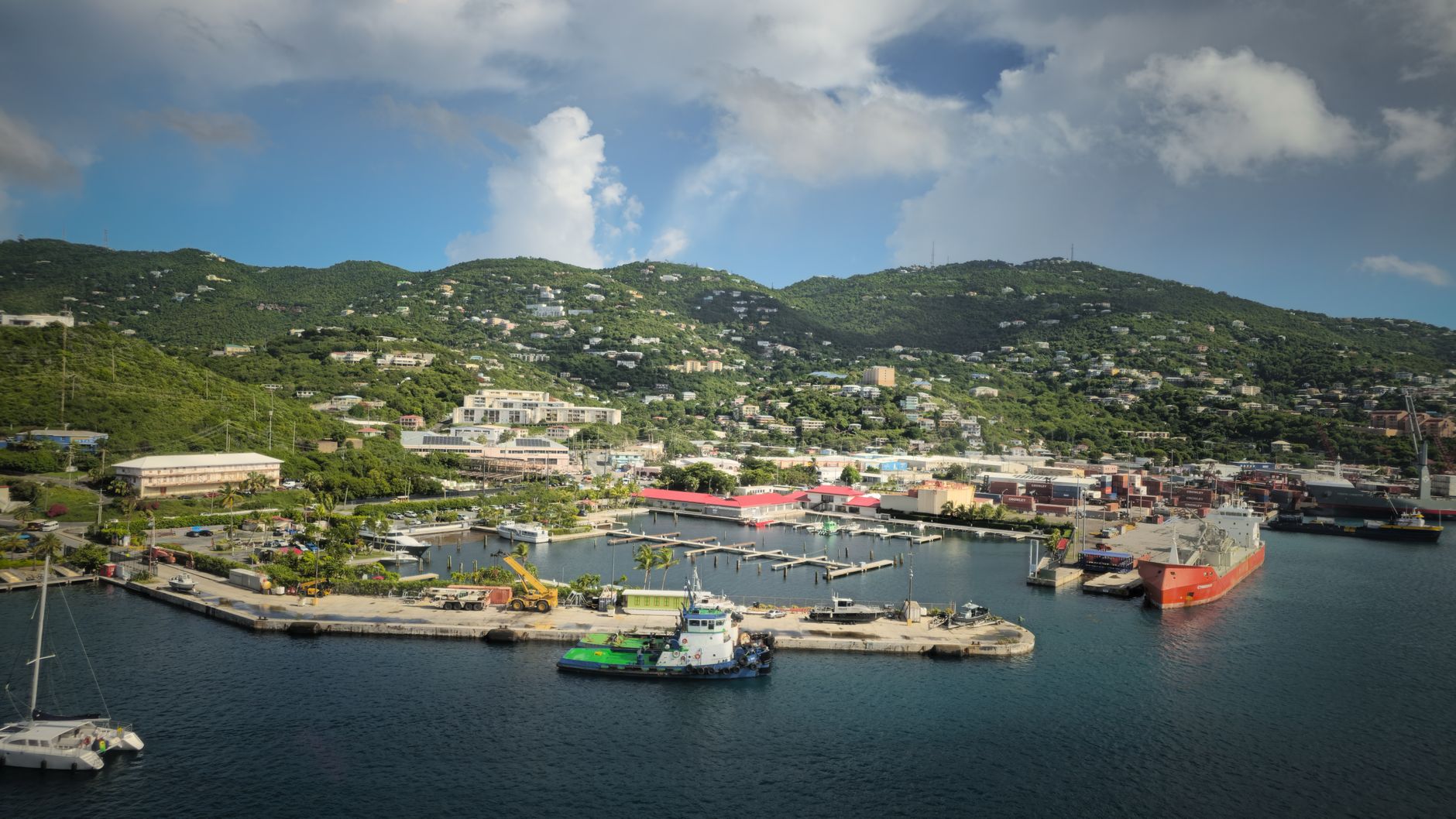
Travel insurance protects your investment in your USVI vacation. Many travel companies offer policies at reasonable rates. Coverage typically includes trip cancellation, medical emergencies, and baggage loss.
Trip cancellation insurance reimburses you if you cancel before departure. Coverage applies only to covered reasons like illness or death. Check policy details carefully before purchasing. Some policies allow you to cancel for any reason for an extra fee.
Medical coverage is essential for international travel. Your home health insurance may not cover treatment abroad. Travel insurance fills this gap completely. Emergency evacuation is often included in comprehensive policies.
Baggage coverage reimburses lost or delayed luggage. Airlines often lose luggage on connecting flights. Insurance covers replacement items and delays. Documentation from airlines helps with claims.
Hurricane season coverage is important for summer travel. Many basic policies exclude weather related cancellations. Look for policies that cover hurricane cancellations. These cost more but provide peace of mind.
Adventure activity coverage matters if you plan scuba diving. Basic policies often exclude extreme sports. Scuba diving insurance is available separately. Make sure your policy covers all planned activities.
Pre existing condition waivers apply in certain situations. Travelers with health conditions should disclose these when purchasing. Some insurers waive these conditions for early bookers. Purchase insurance within days of your initial trip deposit.
Compare policies from multiple insurers before choosing. Read all exclusions carefully. Online reviews help identify reliable companies. Purchase from reputable travel insurance providers.
Frequently Asked Questions
Do I Need a Passport To Visit the US Virgin Islands From the Mainland?
US citizens traveling from the mainland do not need a passport. A Real ID compliant driver's license or state ID is sufficient. Your ID must show the REAL ID star symbol. Contact your state's DMV to upgrade your ID if needed. Non US citizens must bring a valid passport.
What Is ESTA and Do I Need It for the US Virgin Islands?
ESTA is an Electronic System for Travel Authorization for the United States. Citizens of visa waiver countries need ESTA approval before flying to the USVI. The ESTA costs $14 and lasts two years. Apply online at the official ESTA website. Most applications process instantly, though some require additional review.
Can I Use My US Driver's License As My Only Form of ID?
A Real ID compliant driver's license is sufficient for US citizens flying from the mainland. However, bring your passport if you have one for added security. Many hotels and rental car agencies request government issued photo ID with your address. A Real ID license meets this requirement. Non US citizens must use a passport.
Are There Health Risks I Should Know About Before Traveling?
The US Virgin Islands is generally safe health wise. Mosquito borne illnesses like dengue fever and Zika virus are occasional concerns. Use insect repellent and wear protective clothing. No vaccines are required for entry. Consult your doctor about recommended vaccines based on your health history and activities.
What Should I Declare at Customs When Entering the US Virgin Islands?
Declare all items honestly at customs. You can bring personal items, one liter of alcohol per person, and gifts worth up to $100. Do not bring fresh fruits, vegetables, or uncooked meat. Currency over $10,000 must be declared. Have receipts for expensive items ready. Complete the customs form truthfully before landing.