Last updated:
Local Food in US Virgin Islands You Must Try
The US Virgin Islands offer incredible Caribbean cuisine that reflects centuries of cultural heritage. The three main islands (St. Croix, St. John, and St. Thomas) each have unique flavors and traditions. Local chefs use fresh seafood, tropical fruits, and island spices daily.
Conch salad is perhaps the most iconic dish you'll encounter. Fishermen dive for conch throughout the islands. Cooks dice the raw conch and mix it with lime juice, onions, and peppers. The lime juice "cooks" the conch through a chemical process. The result is tender, zesty, and refreshing on hot days.
Johnny cakes appear at nearly every restaurant and market stall. These are fried cornmeal dumplings with a crispy exterior and soft interior. Locals serve them alongside stews, soups, or simply with butter. You'll find them at breakfast, lunch, and dinner throughout the islands.
Callaloo is a leafy green vegetable that cooks down into a savory side dish. Cooks prepare it with onions, garlic, and sometimes salt pork or crab. It tastes similar to spinach but with an earthier flavor. Many restaurants serve it as a standard side with main courses.
Fungi (pronounced "foo-nee") is a cornmeal and okra dish that dates back generations. The texture is thick and substantial, almost like polenta. Locals serve it hot, often alongside stewed fish or meat. It provides comfort and warmth despite the tropical climate.
Roti wraps filled with curry chicken or vegetables offer handheld meals perfect for busy travelers. The thin, flaky flatbread comes from Indian influences on the islands. Fillings include spiced meats, vegetables, and creamy sauces. These wraps cost under ten dollars and fill you completely.
Fresh seafood dominates menus year-round. Mahi-mahi, grouper, snapper, and lobster appear daily at local restaurants. Many chefs source fish from local fishermen that morning. The quality and freshness cannot be matched at home. Ask your server what the catch of the day is.
Island Spices and Flavors
Caribbean spices define the taste of Virgin Islands cooking. Cinnamon, nutmeg, cloves, and allspice come from nearby islands. Local cooks use them in both sweet and savory dishes. Hot peppers add heat to many traditional recipes. Cilantro, lime, and coconut milk round out flavor profiles throughout menus.
PRO TIP: Visit local markets early in the morning to see which fish arrived fresh that day. Ask fishmongers what they recommend. Many restaurants buy from these same markets, so you'll know what's fresh.
Best Restaurants in US Virgin Islands
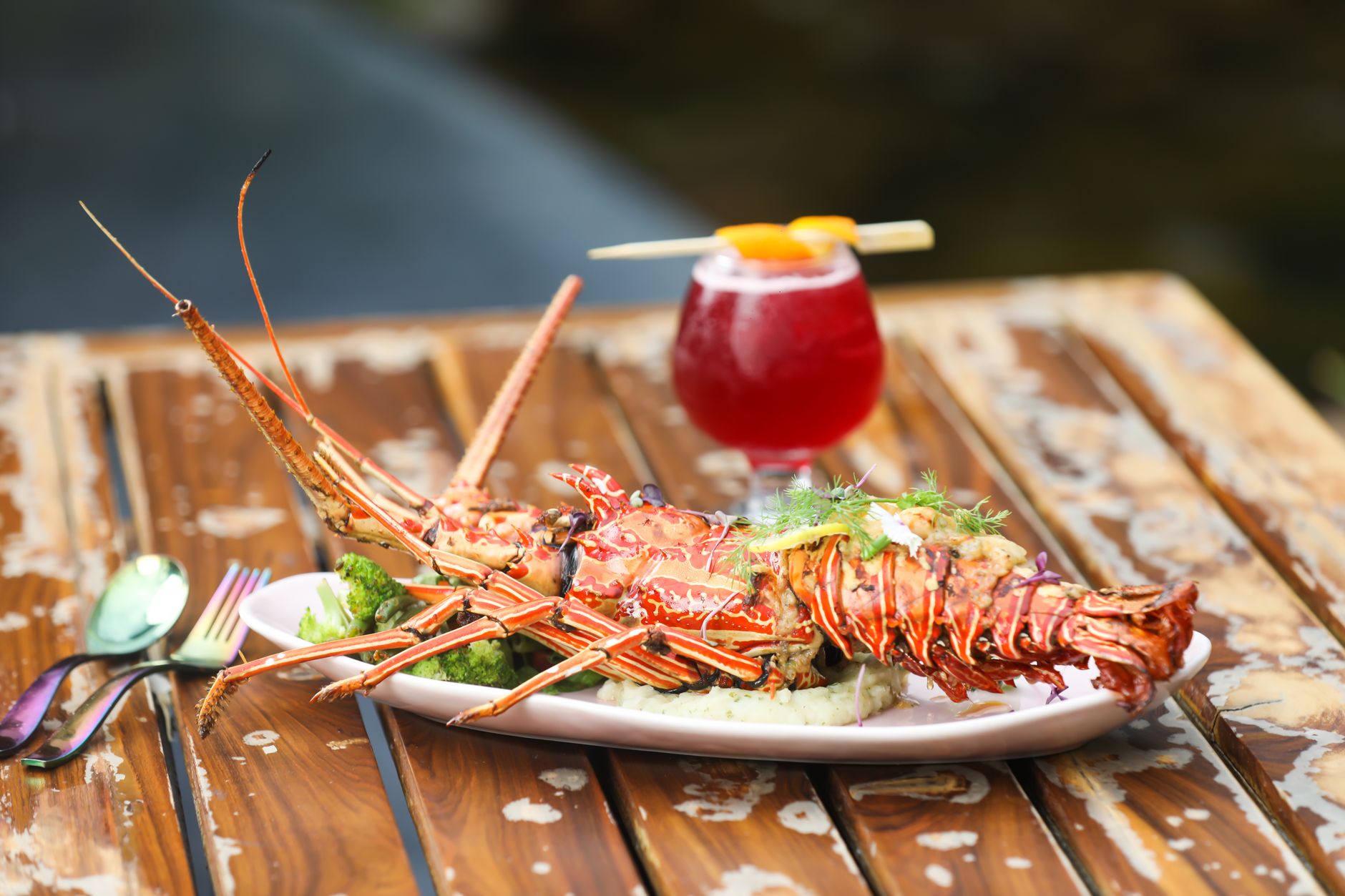
St. Thomas hosts the largest selection of restaurants across the islands. Charlotte Amalie, the capital, offers everything from casual spots to upscale establishments. Frederiksted and Christiansted on St. Croix provide excellent dining in historic downtown areas. These towns blend local cuisine with international influences.
St. Thomas Dining Scene
Gladys' Cafe serves authentic local food in a casual setting on St. Thomas. The restaurant opens for breakfast, lunch, and dinner daily. Try their saltfish and dumplings for breakfast or conch salad for lunch. The walls display local art, and locals fill the tables during meal times. Expect friendly service and reasonable prices.
Oceana Restaurant offers Caribbean cuisine with ocean views in Charlotte Amalie. The menu features fresh fish prepared multiple ways. Their lunch specials provide excellent value for travelers. The dining room overlooks the harbor, making sunset dining memorable. Reservations help, especially during high season months.
Banana Tree Grille combines Caribbean flavors with international technique. The open-air dining space catches cool island breezes. Their seafood preparations showcase local catches. The vegetable sides incorporate island produce. The atmosphere feels refined yet relaxed.
St. Croix Dining Experiences
Polly's at the Pier sits right on the waterfront in Christiansted. The restaurant specializes in fresh seafood and local recipes. Sunset views from the deck are spectacular. Their Friday night happy hour draws locals and tourists alike. The casual atmosphere welcomes families and solo diners.
Off The Hook in Christiansted focuses on sustainable seafood practices. The chefs work directly with local fishermen. Their menu changes based on daily catches. The small restaurant fills quickly, so arrive early or call ahead. The quality of fish here is exceptional.
Savant on St. Croix offers upscale Caribbean cuisine in an intimate setting. The chef creates dishes using island ingredients and global inspiration. The wine list features selections from around the world. The small dining room ensures attention to detail from staff. This restaurant suits special occasions perfectly.
PRO TIP: Make reservations at nicer restaurants, especially from December to April. The islands get busy during winter months when visitors escape cold weather. Calling ahead guarantees your table and allows chefs to prepare special requests.
Fine Dining in US Virgin Islands
The US Virgin Islands boast several fine dining establishments that compete with mainland restaurants. Chefs trained internationally bring sophisticated techniques to island ingredients. These restaurants offer tasting menus, wine pairings, and chef's counter seating. Dress codes typically require business casual attire. Most fine dining spots operate in Charlotte Amalie or Christiansted.
Upscale Dining on St. Thomas
Epernay specializes in French Caribbean fusion cuisine. The intimate dining room seats only about 40 guests. The chef changes the menu seasonally based on ingredient availability. Wine pairings accompany each course. This restaurant offers one of the finest dining experiences on the island. Dinner service runs Tuesday through Saturday only.
Taverna brings Italian cuisine to the Caribbean setting. The open kitchen allows diners to watch chefs work. Fresh pasta comes made daily in-house. Local seafood appears in many preparations. The wine list emphasizes Italian selections with some Caribbean options.
The Ritz-Carlton restaurant provides oceanfront fine dining on St. Thomas. Multiple dining venues operate within the resort. The main restaurant offers tasting menus and a la carte options. The wine program is extensive and well-curated. Sunset dining here captures the island's beauty perfectly.
St. Croix Upscale Options
Le Saint-Barth brings French Creole cuisine to Christiansted. The charming colonial building dates back centuries. The intimate setting feels romantic and exclusive. The menu showcases local seafood prepared with French techniques. The wine list focuses on French selections. Dinner reservations are essential year-round.
St. Croix's historic downtown offers several fine dining venues within walking distance. Many restaurants occupy restored plantation buildings. The architecture adds elegance to the dining experience. The slower pace of St. Croix appeals to travelers seeking quieter luxury. Many fine dining spots here cost less than comparable restaurants on St. Thomas.
PRO TIP: Fine dining restaurants often offer prix fixe menus at better values than a la carte ordering. Ask about tasting menus or chef's special pricing. Many restaurants offer early dinner specials from 5 to 6 PM that provide savings.
Budget Eating in US Virgin Islands

You can eat well on a limited budget throughout the US Virgin Islands. Local restaurants serving residents offer genuine Caribbean cuisine at reasonable prices. Markets and food stalls provide filling meals for under ten dollars. Street vendors appear daily in main towns. Shopping at grocery stores and cooking in vacation rentals also saves money.
Casual Restaurants and Local Spots
Gladys' Cafe on St. Thomas remains a budget traveler favorite. Breakfast plates cost under twelve dollars. Lunch specials offer filling portions for similar prices. The food is authentic and prepared fresh daily. The casual setting means no pressure to dress up. Locals eat here regularly, confirming the value and quality.
Bobby's Pizza and Deli serves affordable sandwiches and pizza on St. Thomas. A large pizza costs under twenty dollars. Subs and sandwiches run five to eight dollars. The casual counter service means you order and sit outside. They deliver to hotels for an additional small fee.
Enid M. Baa Library Cafe on St. Croix serves meals in a charming historic setting. Their lunch specials change daily and cost under ten dollars. The portions are generous and filling. The quiet atmosphere suits budget travelers who want to meet locals. This spot gets busy at lunch, so arrive early.
Food Stalls and Street Vendors
Street vendors operate from carts and small storefronts throughout main towns. You'll find them in Charlotte Amalie, Christiansted, and Frederiksted. Vendors sell conch salad, johnny cakes, roti, and fresh fruit. Most items cost between four and eight dollars. The food is prepared fresh and portions are substantial.
Vendor stalls cluster near waterfronts and main shopping areas. The quality varies between vendors, so ask locals which stalls they recommend. Eating where locals eat ensures freshness and authentic preparation. Many vendors close by early evening, so eat lunch or early dinner.
Grocery Shopping and Self-Catering
Cost-U-Less operates throughout the islands with warehouse-style pricing. Bulk purchasing saves money compared to regular grocery stores. They carry produce, meats, and prepared foods. Membership costs extra, but savings often cover the fee. This option works well for families renting vacation homes.
Regular grocery stores like Pueblo Supermarket operate on all three main islands. Prices run higher than mainland stores due to shipping costs. Produce selection varies seasonally. Shopping early morning offers the best selection. Local fruits and vegetables from island farms cost less than imported items.
Street Food and Local Markets
Street food and markets represent the beating heart of Virgin Islands food culture. Locals shop daily at markets for fresh produce and seafood. The same markets welcome tourists who want authentic meals. Vendor communities have operated for generations in the same locations. These experiences connect you directly to island life.
Main Markets Throughout the Islands
Veterans Drive Market in Charlotte Amalie operates as the main produce and seafood market on St. Thomas. Vendors arrive before sunrise with fresh catches and harvest. The market bustles with activity from dawn until early afternoon. You'll see everything from just-caught fish to island-grown vegetables. The energy and colors make this a must-visit location.
At Veterans Drive Market, fishmongers display their catches on ice. You can request specific fish and ask how they recommend preparing them. Vegetable vendors arrange colorful produce by type. Local fruits like mango, breadfruit, and papaya appear seasonally. Prices drop as closing time approaches since vendors want to sell before leaving.
Christiansted Market Pavilion on St. Croix operates in the historic downtown area. The covered market protects shoppers from sun and rain. Local farmers set up stalls with produce grown on St. Croix. Crafters also sell local goods and souvenirs. The atmosphere feels less touristy than St. Thomas markets. Locals shop here daily for meals.
Fort Frederiksted Market on St. Croix's west side offers a more relaxed shopping experience. Fewer tourists visit this market compared to Christiansted. The selection focuses on produce and local products. Prices tend to be slightly lower than eastern markets. The pace is slower and less crowded.
Street Food Vendors and Carts
Vendor carts appear daily in high-traffic tourist areas. Charlotte Amalie's waterfront hosts numerous food carts selling quick meals. Conch salad carts let you watch them prepare your order. Roti vendors prepare wraps to order with your choice of fillings. Johnny cake stands sell fried dumplings fresh throughout the day.
The best time to find vendors is midday through early evening. Many pack up by 7 PM or 8 PM. Lunch rush from 11:30 AM to 1:30 PM brings the most vendor activity. Asking locals where they eat reveals the best vendor spots. Never hesitate to ask what's fresh or what they recommend.
Payment methods vary between vendors. Some take cards, but cash is safest. Many vendors don't have card readers, so carry USD bills. Small bills are helpful since vendors may lack change for large notes. Tipping is appreciated but not required.
PRO TIP: Visit markets in the early morning for the best selection and to see how locals shop. Bring a reusable bag if you plan to buy produce or other items. Cash enables easier transactions with vendors. Ask produce sellers what's in season and how to prepare unfamiliar items.
Food Allergies and Dietary Needs

The US Virgin Islands accommodates various dietary restrictions and food allergies. Many restaurants can modify dishes or prepare alternatives. Inform your server immediately about allergies or dietary requirements. Most chefs will take precautions seriously to prevent cross-contamination.
Vegetarian and Vegan Options
Vegetarian travelers find options throughout the islands. Many traditional dishes can be prepared without meat or seafood. Rice and beans, fungi, and callaloo work as vegetarian mains. Ask restaurants about meat-free preparations of stews and soups. Fine dining restaurants accommodate vegan requests with advance notice.
Upscale restaurants on St. Thomas offer more extensive vegetarian selections. Grocery stores carry imported vegetarian products, though prices are higher. Fruits and vegetables from local markets provide fresh, affordable vegetarian options. Some restaurants specialize in plant-based Caribbean cuisine.
Gluten-Free Dining
Gluten-free dining requires more planning in the islands. Traditional Caribbean cuisine relies heavily on bread and fried foods. Many restaurants prepare fried dishes in shared oil, risking cross-contamination. Fine dining establishments can prepare gluten-free meals with advance notice.
Dedicated gluten-free restaurants don't operate on the islands. Ask your hotel concierge about gluten-free-friendly restaurants in your area. Restaurants serving health-conscious clientele typically understand gluten-free needs. Grocery stores carry some gluten-free products, but selection is limited and prices are high.
Other Allergies and Restrictions
Seafood allergies require special attention on the islands. Seafood appears in many traditional dishes and side preparations. Cross-contamination happens easily in kitchens that work with seafood daily. Always inform staff about shellfish allergies immediately. Ask about separate preparation areas if available.
Nut allergies also deserve caution. Coconut milk features prominently in many dishes. Peanuts appear in some preparations and desserts. Tree nuts appear in Caribbean pastries and traditional sweets. Ask about all ingredients before ordering if you have nut allergies.
Dairy allergies require careful communication. Traditional Caribbean cooking uses butter, milk, and cheese regularly. Many sauces contain cream or cheese. Vegan diets that exclude dairy face similar challenges. Most restaurants can accommodate by using oil instead of butter or preparing dairy-free versions.
PRO TIP: Call restaurants ahead of your visit if you have serious allergies. Bring written descriptions of your allergies in case language barriers exist. Research restaurants online before visiting to identify allergy-friendly options. Always inform your hotel concierge about your dietary needs for emergency situations.
Frequently Asked Questions
What Is the Most Iconic Dish in the US Virgin Islands?
Conch salad represents the most iconic dish throughout the islands. Fishermen dive for conch in shallow waters surrounding the islands. The conch meat is diced raw and "cooked" with lime juice, creating a tender texture. Onions, peppers, and cilantro add freshness. Every restaurant and street vendor offers their own version. The dish tastes refreshing, especially on hot days. Try multiple vendors to compare styles and find your favorite preparation method.
Are US Virgin Islands Restaurants Expensive?
Restaurant prices vary widely based on location and type. Fine dining establishments in Charlotte Amalie charge mainland prices, ranging from fifty to one hundred dollars per person. Mid-range casual restaurants cost fifteen to thirty dollars per entree. Local spots and street vendors offer meals for five to twelve dollars. The islands import most food by boat, making prices higher than mainland areas. Shopping at grocery stores and markets costs less than eating out. Vacation rentals with kitchens save significant money for families.
What Time Do Restaurants Open and Close?
Most restaurants open for lunch between 11 AM and noon. Dinner service begins around 5 or 6 PM. Many casual spots close by 9 PM. Fine dining restaurants stay open until 10 or 11 PM. Street vendors and market stalls close by early evening, usually between 6 and 8 PM. Some restaurants close on Sundays or Mondays. Call ahead to confirm hours, especially on smaller islands. Holiday hours vary throughout the year. Lunch is typically the busiest meal period.
Do I Need To Make Reservations at Restaurants?
Reservations are essential at fine dining establishments year-round. Mid-range restaurants benefit from reservations during high season (December through April). Casual local spots typically operate on first-come, first-served basis. Walk-ins can find tables at most places if you're flexible with timing. Avoid peak meal times (noon to 1 PM and 6 to 7 PM) without reservations. Calling ahead takes only minutes and guarantees your table. Many restaurants offer better seating if you've made advance reservations.
What Dishes Should I Avoid If I'm Not Adventurous With Food?
Most Caribbean dishes are approachable for conservative eaters. Callaloo may surprise eaters unfamiliar with leafy greens. Fungi's texture is unusual but not unpleasant. Conch salad is mild and refreshing despite its unusual ingredient. Avoid dishes with unusual meats unless you're adventurous. Street food is safe if you watch vendors prepare it. Ask servers what dishes are mild or familiar. Most restaurants offer simple preparations like grilled fish with rice. You can eat comfortably throughout the islands without trying adventurous items.
PRO TIP: FINAL PRO TIP: Arrive during the best months (December through May) when weather is perfect and fresh local produce is abundant. Many restaurants feature seasonal specials highlighting peak harvest items. The islands' culinary scene shines during these months with visiting chefs and special events. Plan your trip to taste the islands at their delicious best.