
Last updated:
Planning Your US Virgin Islands Vacation
The US Virgin Islands offer an incredible Caribbean getaway without leaving US territory. These islands sit in the Lesser Antilles, just east of Puerto Rico. You'll find three main islands: St. Croix, St. John, and St. Thomas. Each island has its own character and attractions. A US Virgin Islands vacation combines beaches, water sports, and island culture perfectly.
This destination works for families, couples, and solo travelers alike. You don't need a passport if you're a US citizen. The currency is already the US dollar. English is the main language spoken everywhere. Your cell phone will work here just like at home. These factors make planning easier than most Caribbean trips.
The islands sit at coordinates 18.3358, -64.8963 in the Caribbean Sea. The total area covers 346 square kilometers. A population of about 106,000 people lives here. The timezone is America/St_Thomas, which is Atlantic Standard Time. This timezone never changes with daylight saving time.
How Many Days Do You Need in US Virgin Islands

Most travelers spend 5 to 7 days in the US Virgin Islands. This timeframe lets you explore at least two islands thoroughly. Three days works for a quick weekend trip. You'll see main beaches and one or two attractions. Five days gives you time to island hop and relax.
Seven days is ideal for a complete experience. You can visit all three major islands without rushing. Water activities become possible with more time. You'll experience local culture beyond the tourist spots. Ten days lets you slow down and truly unwind.
First-time visitors should plan at least 5 days. This allows you to get oriented and see highlights. Budget travelers often extend their trips to 7 days. The longer stay spreads costs across more days. Families benefit from 7 days to balance activities and rest.
Couples enjoy romantic 5-day getaways or longer escapes. Solo travelers often stay 7 to 10 days. The islands offer enough activities to keep anyone engaged. Weather considerations may affect your ideal length of stay. Hurricane season runs June through November, making winter visits safer.
PRO TIP: Arrive on a Friday or Saturday to maximize your weekend. The islands are less crowded Sunday through Thursday. This timing helps you enjoy popular beaches with fewer crowds.
7-Day US Virgin Islands Itinerary
Day 1: Arrive and Settle In
Fly into Cyril E. King Airport on St. Thomas. Rent a car at the airport for island mobility. Head to your hotel and explore the immediate area. Charlotte Amalie, the capital, offers historic architecture and shopping. Walk through the narrow streets of the old town. Visit Fort Christian, a 17th-century fortress still standing today.
Day 2: St. Thomas Beaches
Spend your day at Magens Bay on the northern coast. This long sandy beach offers calm, clear water. Bring snorkeling gear to explore the coral reef. The beach has limited development, keeping it peaceful. Return to Charlotte Amalie for dinner and evening strolls.
Day 3: Ferry To St. John
Take the ferry from Charlotte Amalie to St. John. The journey takes about 20 minutes. Visit Virgin Islands National Park, which covers much of the island. Trunk Bay offers an underwater snorkel trail with markers. Annaberg Sugar Plantation ruins show the island's colonial history. These ruins sit in the northern part of the island.
Day 4: St. John Exploration
Spend a full day hiking and beach hopping on St. John. Salt Pond Bay offers quieter swimming and snorkeling. Coral World Ocean Park sits just across the water. The park features underwater towers and sea turtle encounters. Return to St. Thomas by evening ferry.
Day 5: Ferry To St. Croix
Take the longer ferry to St. Croix, about 45 minutes away. Settle into your accommodation in Christiansted or Frederiksted. Explore Christiansted Harbor and the historic district. Fort Christiansvaern dominates the harbor waterfront. The fort dates back to 1749 and offers fascinating history tours.
Day 6: St. Croix Adventure
Visit Buck Island Reef National Monument for world-class snorkeling. Boats depart from Christiansted Beach regularly. The underwater snorkel trail is famous throughout the Caribbean. Point Udall marks the easternmost point of the United States. Drive there to see the Atlantic Ocean meet the Caribbean Sea.
Day 7: Return and Reflect
Ferry back to St. Thomas at a leisurely pace. Spend your final hours at Sapphire Beach or Coral World. Pack your bags and head to the airport for your flight home. This schedule balances activities with relaxation time.
PRO TIP: Book ferry tickets in advance during peak season. Ferries run year-round but fill up quickly December through March. Round-trip ferry tickets between islands cost money, so budget accordingly.
3-Day US Virgin Islands Itinerary
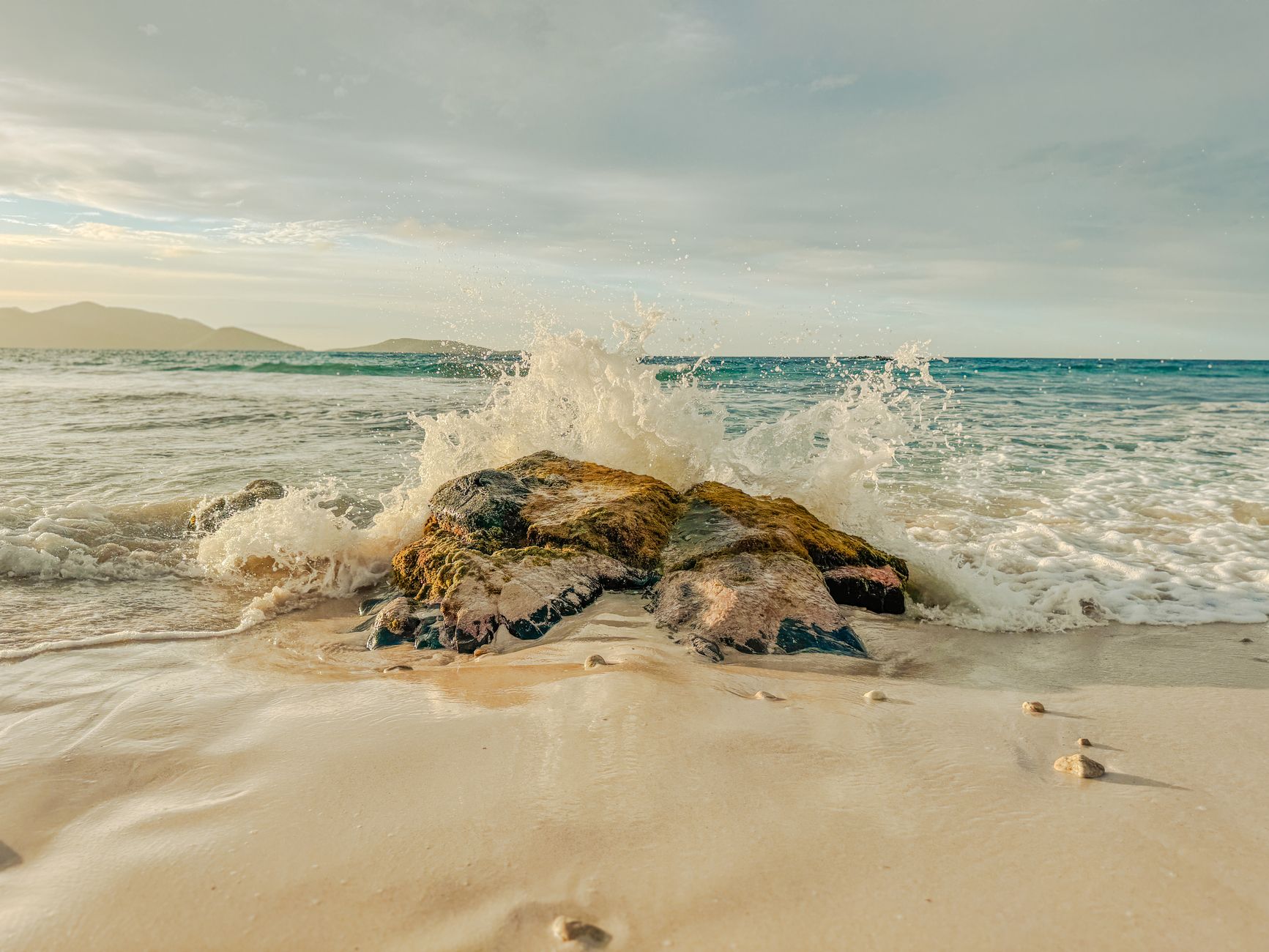
Day 1: St. Thomas Overview
Arrive at Cyril E. King Airport and settle in quickly. Head straight to Magens Bay for your first beach experience. The drive from the airport takes about 30 minutes. Swim, snorkel, and relax on the sand. Return to Charlotte Amalie for dinner at a local restaurant.
Day 2: Snorkel Expedition
Book a guided snorkel boat tour departing from Charlotte Amalie. These tours visit multiple reefs in one day. You'll see tropical fish, sea turtles, and coral formations. Professional guides teach you about the marine ecosystem. Lunch is usually included at a beach stop. This single activity covers most of your second day.
Day 3: Departure
Spend your morning at Coral World Ocean Park. The park opens early, allowing you a few hours before your flight. Explore the underwater observatory and sea turtle pools. Walk through the tropical garden areas. Head to the airport with time to spare. This three-day schedule focuses on must-see activities only.
US Virgin Islands Travel Budget Guide
Accommodation Costs
Budget hotels and guesthouses start around 100 USD per night. Mid-range resorts range from 150 to 250 USD nightly. Luxury resorts exceed 300 USD per night regularly. Vacation rental apartments often cost less than hotels for longer stays. Guesthouses on St. Croix tend to be cheaper than St. Thomas.
Food and Dining
Beach shacks and local eateries serve meals for 12 to 18 USD. Mid-range food-restaurants cost 20 to 35 USD per person. Fine dining experiences run 50 USD and higher per person. Groceries at local markets help budget travelers save money. Cook your own meals if staying in a vacation rental apartment.
Activities and Attractions
Snorkel tours cost between 60 and 100 USD per person. Scuba diving trips start at 80 USD per dive. Coral World Ocean Park costs about 25 USD for adults. Ferry tickets between islands range from 4 to 12 USD. Hiking and beach visits are completely free throughout the islands.
Daily Budget Breakdown
Budget travelers can visit on 80 to 120 USD daily per person. This includes modest accommodation, local food, and basic activities. Mid-range travelers should budget 200 to 300 USD daily per person. This covers comfortable hotels, restaurant meals, and paid activities. Luxury travelers typically spend 400 USD and higher daily per person.
A family of four visiting for one week on a budget might spend 5,600 to 8,400 USD total. This includes flights, accommodation, meals, and activities. Mid-range family visits often total 12,000 to 18,000 USD. Luxury family vacations easily exceed 25,000 USD. Timing your visit affects prices significantly.
PRO TIP: Visit during shoulder season (April, May, November) for lower prices. Peak season (December through March) charges premium rates. The difference can save your family thousands of dollars. Hurricane risk is higher in summer but prices drop substantially.
Best Time To Book Your US Virgin Islands Vacation

Peak Season (December To March)
December through March offers the best weather on the islands. Temperatures hover around 28°C with low rainfall. Humidity is at its lowest during these months. Prices are at their highest throughout peak season. Book accommodations 3 to 6 months in advance during peak season. Popular activities often sell out weeks in advance.
Shoulder Season (April, May, November)
These months offer a balance between good weather and lower prices. Temperatures reach 28°C with occasional brief showers. Fewer tourists visit during these months. Hotel rates drop 20 to 30 percent compared to peak season. Book 2 to 3 months ahead for good accommodation selection.
Green Season (June To October)
Summer months are the wettest and hottest times. Hurricane season officially runs June through November. The risk of severe weather is higher during these months. Some businesses reduce hours or close temporarily. Prices reach their lowest levels of the year. Book last minute for the absolute best deals on accommodations.
When To Book Flights
Domestic flights to St. Thomas should be booked 4 to 8 weeks ahead. International visitors need longer booking windows for better prices. Peak season flights book up 2 to 3 months early. Shoulder season offers more flight availability and better fares. Use flight comparison websites to track price trends before booking.
Packing List for US Virgin Islands
Clothing
- Lightweight, breathable clothes for hot days
- Two to three pairs of shorts
- Four to five lightweight shirts or tank tops
- One light sweater or cardigan for air conditioning
- One pair of casual pants or long skirt
- One casual dinner outfit for restaurants
- Comfortable walking shoes or sneakers
- Sandals or flip-flops for the beach
- Swim trunks or swimsuit (at least two)
- Undergarments for your entire trip plus extras
- Socks are optional due to warm weather
Sun and Water Protection
- High-SPF sunscreen (at least SPF 30)
- Reef-safe sunscreen to protect coral
- After-sun lotion or aloe for sunburns
- Hat or visor for sun protection
- Sunglasses with UV protection
- Quick-dry towel for beach use
- Waterproof bag for electronics at the beach
- Water shoes for rocky beach areas
- Rash guard or swim shirt for extended sun exposure
Personal Care Items
- Toothbrush and toothpaste
- Prescription medications in original bottles
- Basic first aid supplies and pain relievers
- Motion sickness medication if prone to seasickness
- Insect repellent for mosquitoes
- Deodorant for the tropical heat
- Shampoo and conditioner (hotels provide basics)
- Contact lenses and solution if needed
- Hair styling products you prefer
- Feminine hygiene products if needed
- Prescription glasses or contacts
Travel Documents and Electronics
- Valid ID or passport (US citizens need ID)
- Travel insurance documents
- Hotel and activity confirmations printed or digital
- Smartphone and charging cable
- Camera if you prefer over smartphone photos
- Universal power adapter (US outlets used)
- Portable battery pack for your phone
- Headphones or earbuds
Miscellaneous Items
- Small backpack for day trips
- Reusable water bottle to stay hydrated
- Snorkel gear if you have preferred equipment
- Light jacket for air-conditioned indoors
- Notebook and pen for jotting observations
- Cash and credit cards in a secure wallet
PRO TIP: Pack light colors that reflect heat and dry quickly. The islands are hot and humid, so cotton and moisture-wicking fabrics work best. Leave room in your luggage to bring home souvenirs and local goods.
Frequently Asked Questions

Do I Need a Passport To Visit the US Virgin Islands?
No, US citizens do not need a passport to visit the US Virgin Islands. A valid driver's license or government-issued ID is sufficient. The islands are US territory, so you're traveling within the United States. International visitors should check their own country's requirements. Most foreign nationals do not need a visa, but travel documents vary by nationality. Your home country may require you to register your travel plans. Check with your embassy before booking your trip for specific requirements.
What Is the Best Time of Year To Visit?
December through May offers the best weather and lowest rainfall. January through March has the lowest humidity levels. April and May provide good weather with fewer crowds. Hurricane season runs June through November. The risk increases from August through October. Many tourists visit during winter to escape cold northern weather. Prices are highest December through March. If you travel June to November, expect occasional rain showers. This green season offers the cheapest accommodations and airfares available.
What Water Activities Can I Do?
Snorkeling is the most popular water activity on the islands. You can snorkel from beaches or book guided tours. Scuba diving opportunities exist for certified divers. Swimming is possible year-round at every beach. Paddleboarding and kayaking are available at many beach locations. Fishing charters depart from the main islands. Sailing trips offer a relaxing way to see multiple islands. Some beaches have strong currents, so ask locals about conditions first. Always check weather before heading out on the water.
How Do I Get Between the Islands?
Ferries connect all three main islands multiple times daily. The ferry from St. Thomas to St. John takes about 20 minutes. Travel from St. Thomas to St. Croix takes approximately 45 minutes. Ferry schedules vary by season and weather conditions. Tickets can be purchased at ferry terminals before departure. Book in advance during peak season to ensure availability. Private boat charters offer another island-hopping option. Some travelers rent boats to explore at their own pace. Airlines also offer small plane service between islands for quick transfers.
What Should I Know About Scuba Diving Here?
The US Virgin Islands offer excellent scuba diving for all experience levels. Water temperatures stay warm year-round at 28°C or higher. Visibility is typically 60 to 100 feet in most locations. Coral reefs and shipwrecks provide diverse diving experiences. You must be certified to dive independently with an instructor or dive shop. Certification courses are available if you want to learn. Guided dives help you explore the best sites safely. Popular dive sites include the RMS Rhone wreck off St. Croix. Always dive with reputable operators who follow safety protocols.
Word Count: 1,847 words