Last updated:
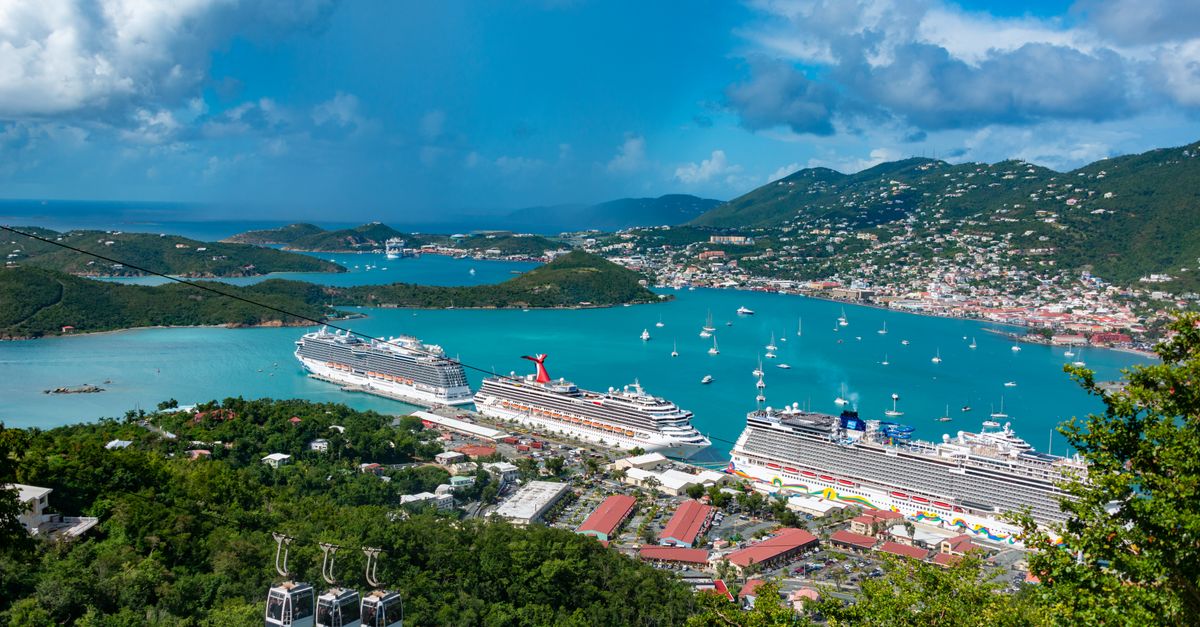
The US Virgin Islands offers world-class US Virgin Islands diving experiences for all skill levels. Located in the Lesser Antilles at coordinates 18.3358, -64.8963, these islands feature spectacular underwater landscapes. The territory covers 346 square kilometers with a population of 106,000 English speakers. Divers reach the islands easily via Cyril E. King Airport on St. Thomas. No visa is required for most nationalities entering the United States territory.
This Caribbean destination ranks among the top diving locations in the Atlantic. Warm waters and abundant marine life attract divers year-round. The islands feature numerous wreck dives, coral gardens, and underwater canyons. Visibility often exceeds 100 feet during the best months. Both beginners and experienced divers find challenging and rewarding dives here.
Best Dive Sites in US Virgin Islands
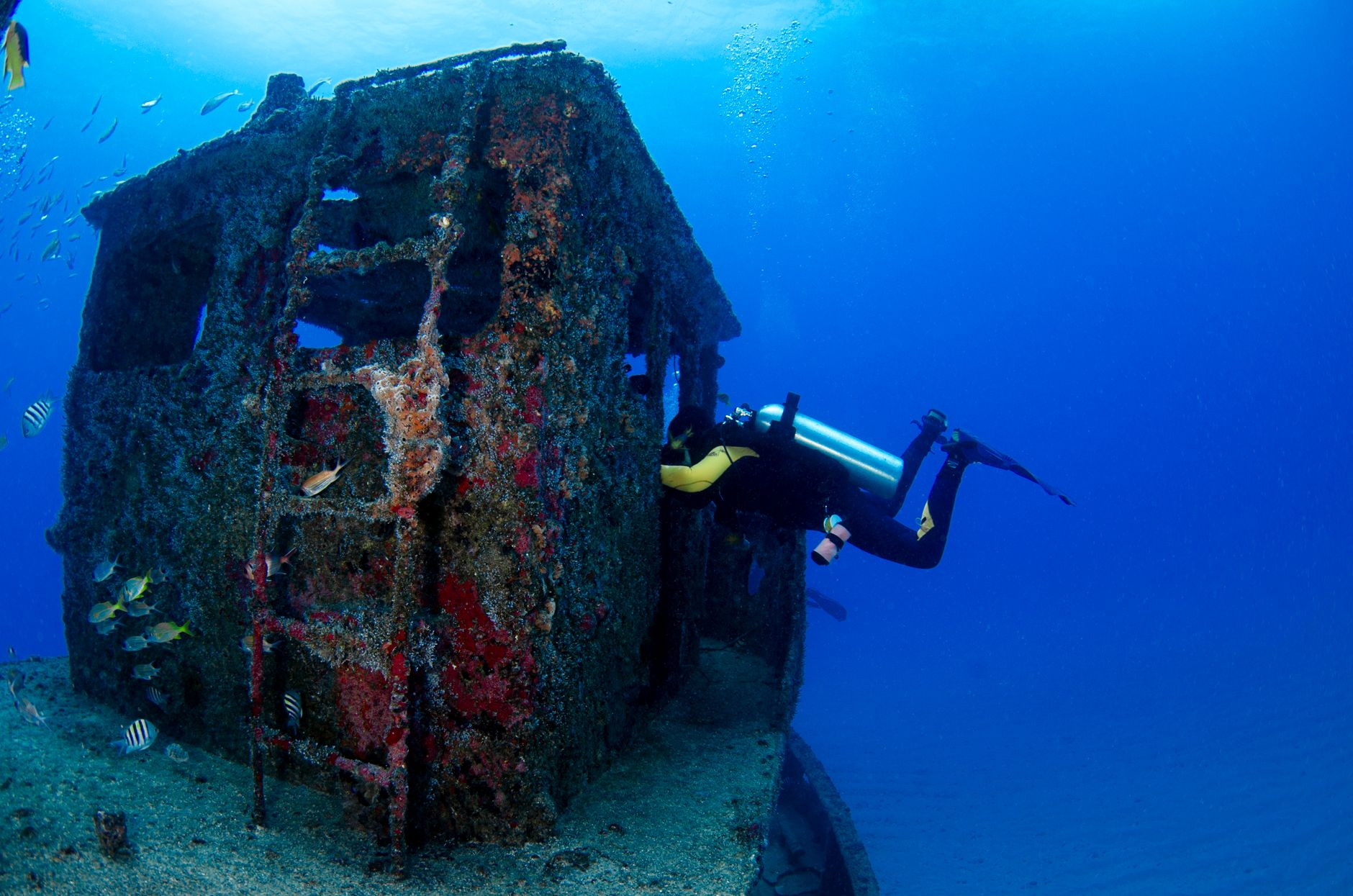
The Rhone stands as the most famous wreck dive in the territory. This 310-foot British mail steamer sank in 1867 during a hurricane. The wreck rests at 80 feet on the Sir Francis Drake Channel near Salt Island. Divers explore multiple decks, the engine room, and the captain's quarters. Strong currents make this dive suitable for intermediate to advanced divers only.
Cow and Calf rocks near St. John feature dramatic underwater formations. These two large rock pinnacles rise from deep water creating a natural amphitheater. Giant sea fans and coral colonies blanket the rocks. Divers encounter large groupers, snappers, and spotted eagle rays here. The site offers excellent photography opportunities for experienced divers.
Frederiksted Pier on St. Croix provides an outstanding night dive experience. The pier supports a unique ecosystem of nocturnal creatures. Divers see octopuses, squid, and bioluminescent organisms after dark. The pier dive works well for intermediate divers with night diving certification.
Sapona wreck lies off Water Island near Charlotte Amalie. This concrete barge sank in 1926 and sits in shallow water at 40 feet. Sea turtles frequently rest on the deck at night. The wreck features colorful coral growth and abundant fish. Beginners can dive Sapona with proper instruction.
Grass Shrimp Reef near Maho Bay offers gentle slopes suitable for exploration. Small tropical fish swarm around the coral formations. Spotted eagle rays glide through the sandy areas between coral patches. This site works perfectly for beginners building their skills.
Scuba Diving for Beginners in US Virgin Islands

Beginner divers find ideal conditions throughout the US Virgin Islands. Many shallow reef sites introduce new divers to underwater life safely. Water temperatures between 77 and 84 degrees Fahrenheit remain comfortable year-round. Limited current in many areas reduces difficulty for inexperienced divers.
Maho Bay near St. John provides excellent beginner-friendly conditions. The bay features a sloping sandy bottom with scattered coral patches. Divers can wade directly into the water from the beach. Fish and sea turtles inhabit the shallow areas between 20 and 40 feet. Visibility typically ranges from 60 to 80 feet.
Coral World, a popular dive site near the eastern end of St. Croix, suits beginners perfectly. The site features a gradual descent from 25 to 45 feet. Brain corals and sea fans create an interesting landscape. Schools of grunts and snappers follow divers constantly. The calm conditions rarely feature significant current.
Cane Bay Wall near Christiansted on St. Croix drops dramatically from the beach. Beginners can explore the shallow portions near the shore. More experienced divers venture deeper along the wall. The site accommodates multiple skill levels simultaneously.
Beginner certification courses take 3 to 4 days typically. Instructors teach in confined water first before open water dives. Students learn equipment use, breathing techniques, and safety procedures. Three to four open water dives complete the certification.
PRO TIP: Complete your open water certification before arrival if possible. Many dive shops offer online portions of courses. This saves time and money during your vacation and allows immediate diving.
Snorkeling in US Virgin Islands
Snorkeling offers an excellent alternative to scuba diving for all ages. The same reefs and marine life accessible to divers appeal to snorkelers. Shallow waters throughout the islands allow snorkelers to see fish and coral easily.
Trunk Bay on St. John features an underwater snorkel trail with educational signs. The 225-meter trail passes through coral gardens and seagrass beds. Fish identification plaques help visitors learn species names. The beach offers amenities including showers and rental equipment. No certification is needed for snorkeling.
Salt Pond Bay on St. John combines hiking and snorkeling. The beach receives fewer visitors than popular alternatives. Colorful fish school near the rocky areas. Snorkelers often encounter sea turtles and spotted eagle rays. The hike to the beach takes about 15 minutes from the parking area.
Sapona wreck near Water Island remains visible to snorkelers. The shallow depth of 40 feet allows snorkelers to see the wreck structure. However, snorkelers view the wreck from above rather than exploring inside. The clear water provides excellent visibility for surface swimming.
Coral World near St. Croix accommodates snorkelers on the shallow sections. Families enjoy swimming above the coral formations without scuba equipment. Children as young as age five can snorkel safely in these areas.
Many dive shops rent snorkel gear including masks, fins, and snorkels. Some provide underwater cameras for capturing memories. Always wear reef-safe sunscreen to protect coral ecosystems.
Dive Schools and Operators
Coral World Underwater Observatory on St. Croix operates a full-service dive facility. They offer beginner courses, advanced training, and daily dive trips. The facility features a unique underwater observatory for non-diving visitors. Equipment rental and sales are available on-site.
Admiralty Dive Center operates on St. Thomas near Charlotte Amalie. They specialize in small group dives limited to six divers maximum. Morning and afternoon dives depart daily from multiple locations. Nitrox diving is available for certified divers seeking extended bottom time.
Saba Marine Park operates on St. John with protected reef access. While technically a park rather than a traditional dive shop, they manage dive site regulations. Rangers conduct educational dives highlighting conservation efforts. Permits are required for diving in the marine park.
Virgin Islands Diving Schools offer PADI certification courses at multiple locations. Instructors teach open water, advanced open water, and specialty courses. They provide underwater photography training for interested divers. Equipment rental packages start for beginners needing full gear setup.
When selecting a dive operator, verify PADI certification and insurance coverage. Ask about dive group size and divemaster experience. Request recent divemasters' backgrounds and certifications. Many reputable operators provide detailed safety briefings.
PRO TIP: Book dives through your resort or hotel concierge beforehand. Many hotels partner with established operators offering discounted rates. This eliminates last-minute scheduling conflicts during peak season.
What You Will See Underwater
The US Virgin Islands marine environment supports incredible biodiversity. Divers encounter colorful reef fish, sea turtles, and other sea creatures regularly. The warm tropical waters create ideal conditions for marine life.
Spotted eagle rays glide gracefully through open water areas. These rays often travel in groups and show curiosity toward divers. Green sea turtles rest on the sandy bottom at night. Hawksbill turtles feed on coral and sponges year-round.
Groupers inhabit the reefs, ranging from 10 to 50 pounds. Nassau groupers and yellowfin groupers are common. Snappers school in large numbers around coral heads. Parrotfish munch on coral constantly, creating sand through their waste.
Moray eels hide in coral crevices but rarely attack divers. Yellow-spotted and green morays are both present. Octopuses change color and texture instantly for camouflage. Nurse sharks rest on the sandy bottom during daytime hours.
Sea fans wave gently in current. Brain corals create dramatic formations. Staghorn corals branch upward from the reef. Sea urchins and sea stars cover rocky areas. Sponges in every color imaginable grow throughout the reefs.
Lobsters and crabs hide under coral ledges. Jawfish create burrows in sandy areas. Shrimp clean fish at designated cleaning stations. Seahorses hide in seagrass beds. Pufferfish inflate as defense mechanisms when threatened.
Jellyfish occasionally appear during certain seasons. Stinging corals and fire corals require cautious handling. Most dangerous marine life avoids divers who maintain distance and respect.
Best Time To Dive in US Virgin Islands

December through May represents the optimal diving season. Water temperatures range from 77 to 79 degrees Fahrenheit during winter months. Visibility reaches 100 to 120 feet frequently. Calm seas provide ideal conditions for boat dives.
January and February often feature the calmest conditions. Winter swells from the Atlantic remain minimal. Surface conditions allow easier boat boarding. Many resorts offer special diving packages during these months.
March, April, and May bring slightly warmer water and continued excellent visibility. Fewer tourists visit during spring months compared to winter holidays. Dive sites experience lighter crowds. Hurricane season does not begin until June officially.
June through November encompasses the hurricane season in the Caribbean. Water temperatures reach 84 to 86 degrees Fahrenheit. Visibility decreases to 50 to 80 feet on average. Afternoon thunderstorms occur frequently during summer months.
Despite hurricane season challenges, some divers visit during summer. Fewer tourists mean smaller dive groups and more personalized instruction. Rates at dive shops and resorts decrease significantly. Tropical fish remain active year-round regardless of season.
September and October present the highest hurricane risk. Many dive shops reduce operations during peak season. Travel insurance becomes essential during these months. However, direct hurricane strikes occur infrequently on the islands.
Plan diving trips during the stated best months when possible. Book accommodations and dives in advance during peak season. Expect higher prices during December and January holidays. Shoulder seasons in April and May offer excellent value and conditions.
Snorkeling in US Virgin Islands
Snorkeling requires no certification or training, making it accessible to everyone. Children as young as age five can snorkel with proper supervision. Elderly visitors enjoy snorkeling from beaches without strenuous diving.
Maho Bay offers calm snorkeling conditions from the beach. Swim directly from shore to coral formations. Sea turtles frequent the seagrass beds regularly. Schools of colorful fish pass within feet of snorkelers. No boat transportation is necessary for this beach snorkel.
Half Moon Cay near St. Croix features a protected beach with abundant marine life. Dolphins and sea turtles inhabit nearby waters. The shallow reef drops gradually allowing comfortable exploration. Amenities include beach chairs and food service.
Sapona wreck near Water Island provides unique snorkeling opportunities. The concrete barge sits in shallow water visible from the surface. Snorkelers view the wreck structure from above. Colorful fish congregate around the wreck year-round.
Rent snorkel gear at most beaches and dive shops. Package deals often include mask, fins, and snorkel. Underwater cameras allow capturing marine life photos. Always apply reef-safe sunscreen to prevent coral damage.
Frequently Asked Questions

Do I Need a Passport To Visit the US Virgin Islands?
United States citizens need a valid driver's license or state ID for travel within US territories. International visitors require a valid passport or travel document. US entry requirements apply including ESTA where applicable. Customs processing occurs at Cyril E. King Airport upon arrival. Children require their own documentation for travel.
What Is the Best Month for US Virgin Islands Diving?
January and February offer the absolute best diving conditions. Water temperatures range from 77 to 79 degrees Fahrenheit. Visibility exceeds 100 feet regularly. Seas remain calm allowing easy boat operations. December, March, April, and May also provide excellent conditions. Hurricane season begins June first reducing stability.
Can Beginners Dive at Popular Sites Like the Rhone Wreck?
The Rhone wreck requires intermediate to advanced diving certification. Strong currents and 80-foot depth challenge new divers. Beginners should complete 50 to 100 logged dives before attempting the Rhone. Many beginner sites provide safer introductions to diving. Instructors recommend building skills on shallower reefs first.
How Much Does Scuba Diving Cost in the US Virgin Islands?
Dive shop pricing varies by location and operator. Certification courses require multiple days and specialized instruction. Daily two-tank dives range in cost depending on the operator. Equipment rental adds additional expense for divers without personal gear. Many resorts offer package deals combining accommodations with diving activities.
What Marine Life Poses Dangers To Divers in These Waters?
Most marine life avoids human interaction if divers maintain distance. Moray eels rarely attack unless provoked. Stinging corals and fire corals require cautious handling. Jellyfish may appear seasonally causing mild stings. Sharks present no practical danger to respectful divers. Following safety guidelines eliminates nearly all underwater hazards.